
The story of the Ibong Adarna is one of the few literary stories in the Philippines that shines as vividly as this mystical bird. A healer and a symbol of integrity, the Ibong Adarna has come to represent knowledge, mystery, and the resilience of the Filipino spirit. Huseng Sisiw, the poet behind one of the greatest literary treasures of our history, is a name often forgotten behind this immortal tale.
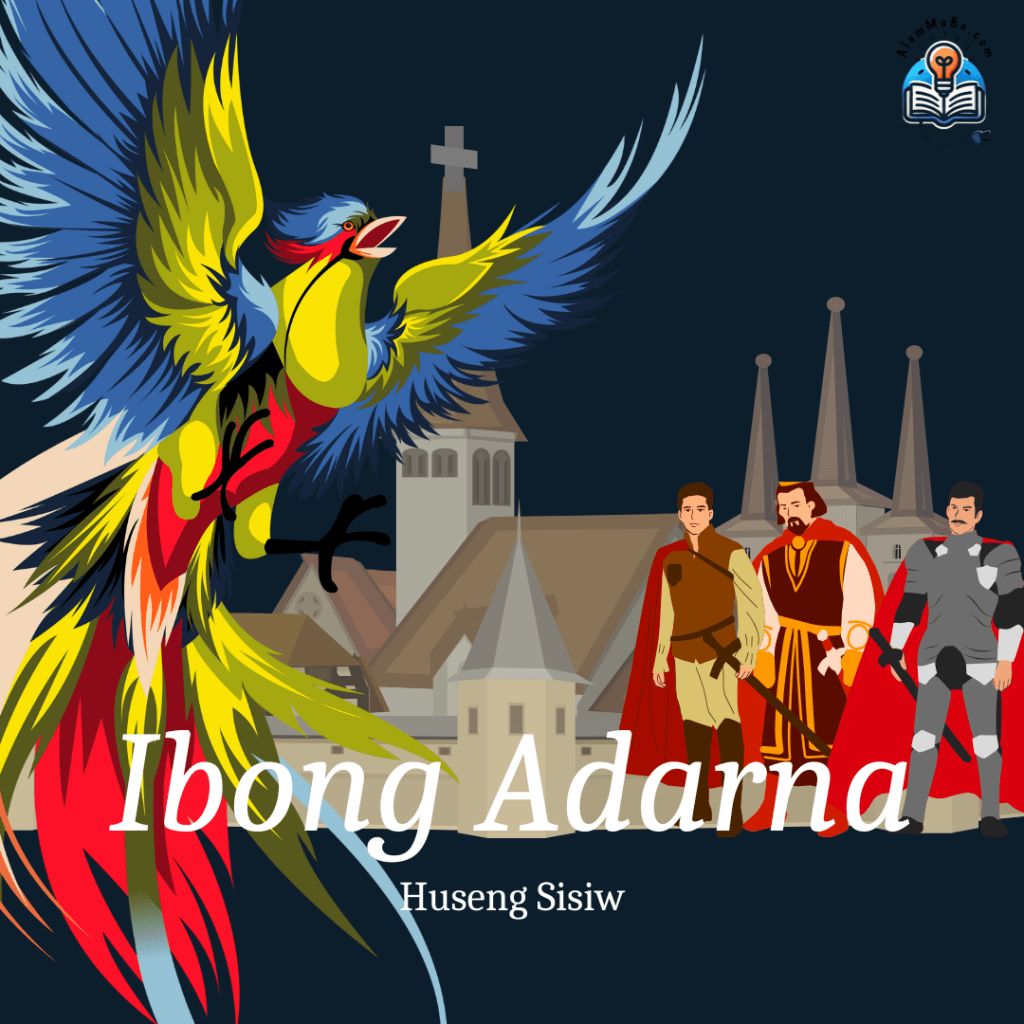
The story revolves around King Fernando, the King of Berbanya, who was afflicted with an enigmatic and crippling ailment. His three sons, Don Pedro, Don Diego, and Don Juan, are desperate to save their father. They have learned about the mystic Ibong Adarna, whose seven enchanted songs are said to have the ability to heal any illness.
Ibong Adarna is no ordinary creature. Its melodious voice hushes its victims to sleep. Once asleep, a single note turns them to stone. The bird perches atop the dangerous Mount Tabor. The pursuit of the Ibong Adarna is filled with danger, betrayal, and difficult moral choices.
The story follows the journey of the three brothers, showing how the king’s eldest sons turn against their noble younger sibling, Don Juan, because of envy. Don Juan overcomes every obstacle with compassion because he has innate humility, bravery, and tenacity. His journey will be filled with themes of justice, loyalty, forgiveness, and genuine nobility, which creates a timeless story that reflects the core values of Filipinos with regard to strength, redemption, and connection.
Morality and Magic in Filipino Writing
The Ibong Adarna’s otherworldly charm, shrouded in fanciful melody and imagery, reflects the heart of Philippine mythology. Spirits, shape-shifters, and mystical creatures that coexist with soldiers and aristocrats are common in Filipino folklore.
While the origins of the Ibong Adarna are shrouded in mystery, leaving historians confused, generations of Filipinos have been moved by its timeless story of bravery and nobility. The moral of the story, embodied by the allegorical hero Don Juan, who chose mercy over revenge, is the core of Philippine storytelling.
Its writer, the mysterious poet Huseng Sisiw, was born in Tondo, Manila, during the Spanish administration in the late 18th century. Despite his unknown background, oral tradition acknowledges him as the author of the epic poem Ibong Adarna. Huseng Sisiw was known to tutor Filipino literary masters like Francisco Balagtas, who wrote Florante at Laura.
Generations have been educated by Ibong Adarna’s moral teachings and the structure in which it was written. Through retellings, it has changed its form from stage to screen, still driven by its timeless theme of justice, sacrifice, and brotherhood as it continues to infuse native stories with profound metaphors.
It is essential to keep these characteristics in character and narrative in a country driven by compassion, bravery, and integrity. Its expansive knowledge of identity and history never ceases to be amusing and enlightening.
The symbolic components of the narrative show that greed and treachery have repercussions, and compassion, humility, and bravery are rewarded. Despite Ibong Adarna’s regional origins, the poem has a universal theme of justice.
Ibong Adarna not only entertains but also teaches. The tale is a living testament to the artistic talents of the unwavering Filipino spirit, as a literary relic like Ibong Adarna withstood conquest and transformation. The impact of the story is real. Even though the mystical bird is a fable, it bridges the gaps and fosters qualities over time.
Let’s read it and pay tribute to the storytellers who helped us build our literary past, such as Huseng Sisiw. Through folklore passed down through the generations, their artistic manifestations reinforced identity and taught morals.
The compassion lessons of the Ibong Adarna are just as applicable now as they were initially told.


 pixelmeow
Leave a comment