
Behind every progress are the hardworking hands of our people.
The History of Labor Day in the Philippines
Workers in the Philippines have a long history of fighting for fair treatment and improved conditions. Around the early 1900s, laborers were inspired by global movements and began organizing rallies demanding better wages, protections, and the ability to join unions.
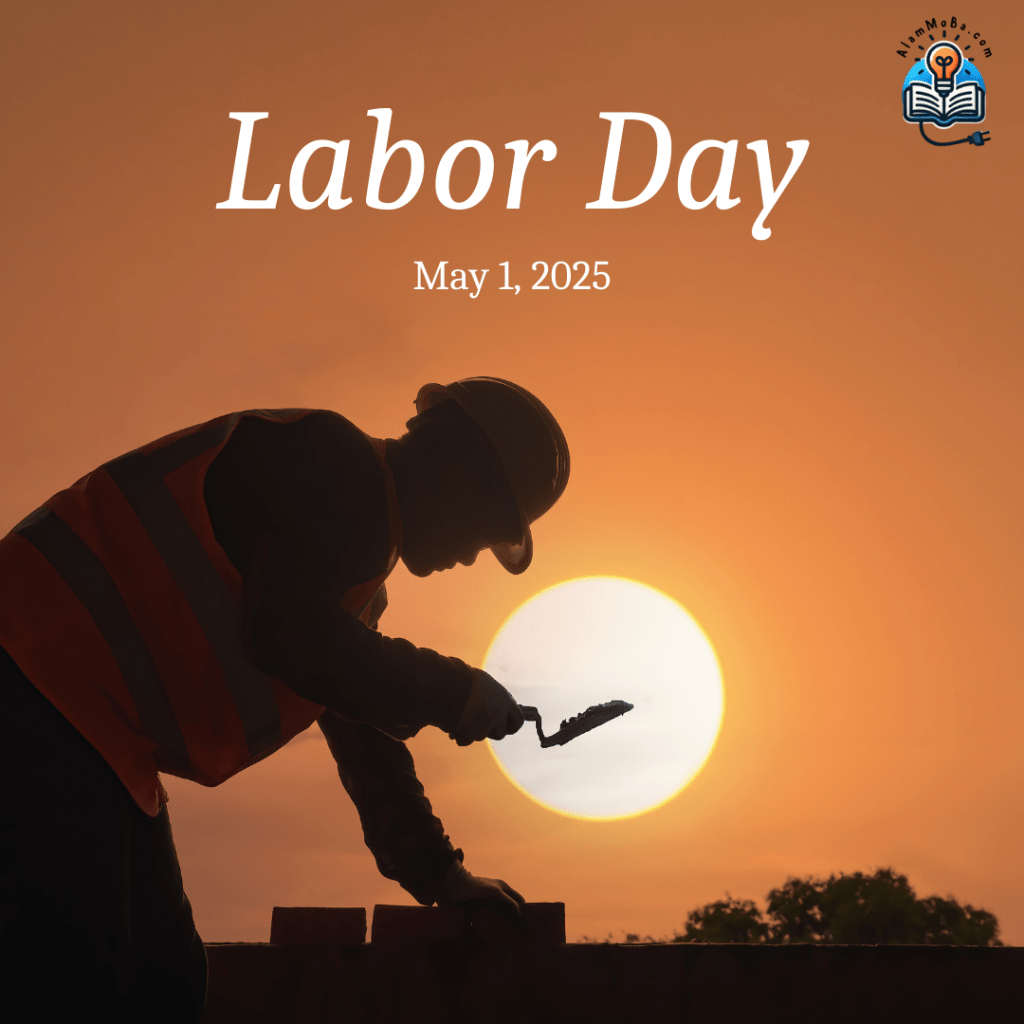
The first official Labor Day demonstration in 1903 was led by the Union Obrera Democratica de Filipinas, and thousands marched to the presidential palace voicing grievances – a bold act that sparked an ongoing tradition of commemorating worker solidarity. In 1908, the national assembly formally designated May 1st an annual holiday acknowledging laborers’ vital role in nation-building.
How It’s Celebrated Today
Modern celebrations maintain the tradition of advocating for fair employment practices. Events include rallies promoting reforms, job expos organized by the government and private sector addressing unemployment, and seminars discussing rights and justice.
Ceremonies also recognize outstanding workers from diverse fields, such as agriculture, manufacturing, healthcare, and education, who faced immense challenges during the pandemic. Conversations highlight the importance of well-being, balance, and adapting to changing workplaces.
Recognizing Dedication that Powers Progress
Labor Day reminds us that advancement is impossible without dedication from all sectors, including farmers, factory employees, nurses, teachers, and technology professionals. It offers an opportunity to honor contributions, advocate for rights, and ensure growth benefits every member of society.
In addition, take time to appreciate and support those whose daily efforts propel the nation forward.
Long live the hardworking people of the Philippines!


 pixelmeow
Leave a comment