
From baro’t saya to street style — our heritage never goes out of fashion.
In every stitch, pleat, and whether the pieces of traditional Filipino dress thread are woven on, there is one story—a tale of background, experience, and resistance. Long before the emergence of today’s fast fashion, our ancestors and indigenous communities already exhibited a discerning taste for style, sustainability, symbolism, and the beauty of nature.
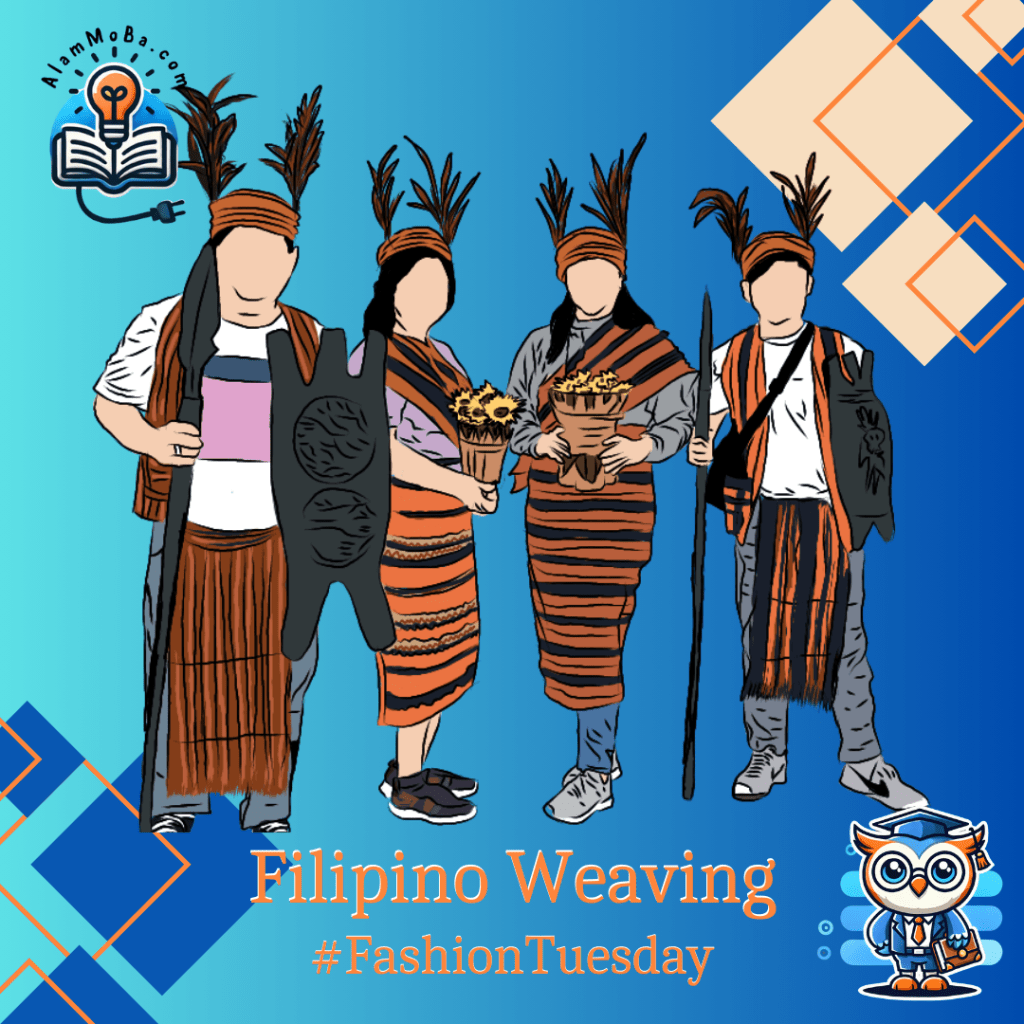
Yet, these are not merely relics of the past. Now more than ever, young Filipino designers and new generations are showing their pride in carrying on the tradition and weaving it into contemporary wear.
So, let’s journey back to its origins with some classic Filipino fashion in the modern day.
1. Baro’t Saya
History: Used by Filipinas in the Spanish colonial period, especially at certain generations, an ensemble of this kind might include a long skirt, a ruff (shoulder scarf), and tapis, the garments worn by 16th-century people. Each item has its own etiquette for wearing it: the shirt is draped in between, the pana (shoulder ruffle) may be folded down, saya slipped over the head directly.
A Modern Take: Designers today reinvent the baro’t saya with modern fabrics, tailoring cuts for now, and even producing crop-top versions. Modern Filipiniana gowns, with a youthful twist, are also chosen by brides simply because they blend tradition and fashion in any event.
2. Barong Tagalog
History: The Barong Tagalog is the Philippines’ formal wear, using delicate materials such as piña (from pineapple leaf) or jusi. It is not just an elegant outfit—once, it was a political symbol for Filipinos trying to dress with grace and avoid Western coats.
A Modern Take: Nowadays, men and women wear shirts or tops beneath an unbuttoned barong. Filipino politicians, actors, and young people can wear this dress to dinners, weddings, and fashion shows.
3. T’nalak and Indigenous Weaving
History: The T’boli people from Mindanao weave their T’nalak from abaca. It is considered both sacred and spiritual. In different regions across the Philippines, each tribe has its own unique weave:
– Inabel (Ilocos)
– Hablon (Visayas)
– Yakan (Zamboanga)
Modern Take: Weaving has moved into bags, sneakers, denim jackets, laptop sleeves, and mobile cases, demonstrating how heritage can be used in everyday life.
4. Alampay, Salakot, and Other Accessories
– Alampay – The embroidered shoulder wrap now doubles as a stylish scarf or fashion piece.
– Salakot – A traditional wide-brimmed hat, now seen in festivals or reworked as sun visors.
– Beaded tribal jewelry – Once reserved for ceremonies, it is now worn boldly by both men and women as statement pieces.
Clothing as Cultural Preservation:
We carry culture when we put on our traditional pieces or parts of them. But it’s more than looks. It’s about:
– Supporting Indigenous communities who preserve traditional crafts.
– Combatting fast fashion with slow, meaningful clothing.
– Wearing your pride, literally.
“Modernizing doesn’t mean erasing. It means evolving — with roots intact.”


 pixelmeow
Leave a comment