
From myth to mutt — let’s talk about the Filipino witch dog and the forgotten dogs of our islands.
In Philippine mythology, particularly in the Visayas and Mindanao, there exists a mythical creature that scares children and is spoken about in hushed tones by the elderly: the Sigbin, or otherwise referred to as the Witch Dog.
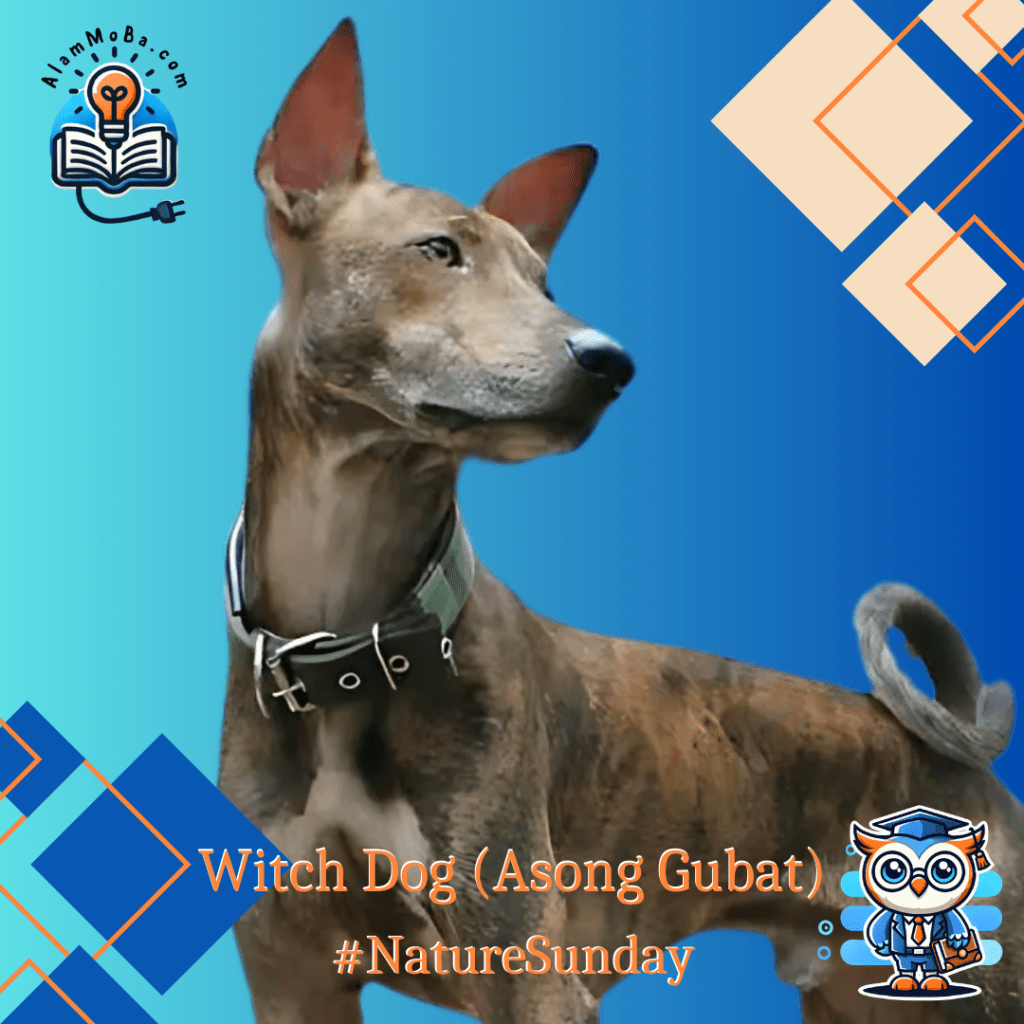
A Sigbin is a slouching, dog-like shadow beast said to walk backward, to stalk humans at night, and to subsist on the victims’ blood— especially children. It is said to be invisible or transform into a black dog that follows humans and causes them bad luck in other versions.
Although science has never demonstrated such a monster, the legend of the witch dog lives on in far-flung barangays.
But imagine this monster being based on something very real.
Real Dogs, Real Myths: How Fear Endangered Our Aspins
In the outside world, Filipino street dogs, more commonly known as aspins (asong Pinoy) are usually the victims of these superstitions. Black dogs, in turn, are sometimes feared, often abused, and excluded from participating in community gatherings because of age-old beliefs on bad luck, demons, or witchcraft.
But in fact, these native dogs are:
– Strong and intelligent
– Loyal friends
– Defenders of homes and farms
They are not magical per se, but magically loving when adopted and nurtured.
Do Real Animals Inspire the Myth?
Others believe that the Sigbin’s sightings may have been caused by:
– Ill or deformed dogs dumped in the rural area
– Wildcats or civets traveling at dusk
– Or even stray dogs or goats behaving strangely because of rabies
Folklore invariably develops through ignorance and fear, and conservation and education are then called into being.
From Myth to Mission: How We Can Help Real Animals
Instead of dreading the witch dogs, let us protect the real ones — the dogs, goats, civets, and other creatures that live on earth and deserve sympathy.
1. Adopt, Don’t Shop
Imagine giving an aspin a permanent residence. They are smart, loyal, and less prone to passing on sickness than imported breeds.
2. Vaccinate and Educate
Most myths regarding canines are a result of rabies phobias. Education in the community and quality veterinary care save human and animal lives.
3. Respect Local Biodiversity
Random encounters in forests or fields may not be monsters — they may be rare or endangered animals. Do not harm them. Observe them.
Let’s Talk:
What Are Your Local Myths? Did you grow up hearing tales of the asong aso or sigbin? Do you believe these myths are beneficial or detrimental to our treatment of animals today?



 pixelmeow
Leave a comment