
A revolutionary who fought with passion, not privilege.
When we speak of revolution and freedom in the Philippines, a single name echoes across history: Andres Bonifacio. Unlike the education-of-the-ruling-class-reformers of his day, Bonifacio was a man for the masses — a worker, reader, leader, then revolutionary.
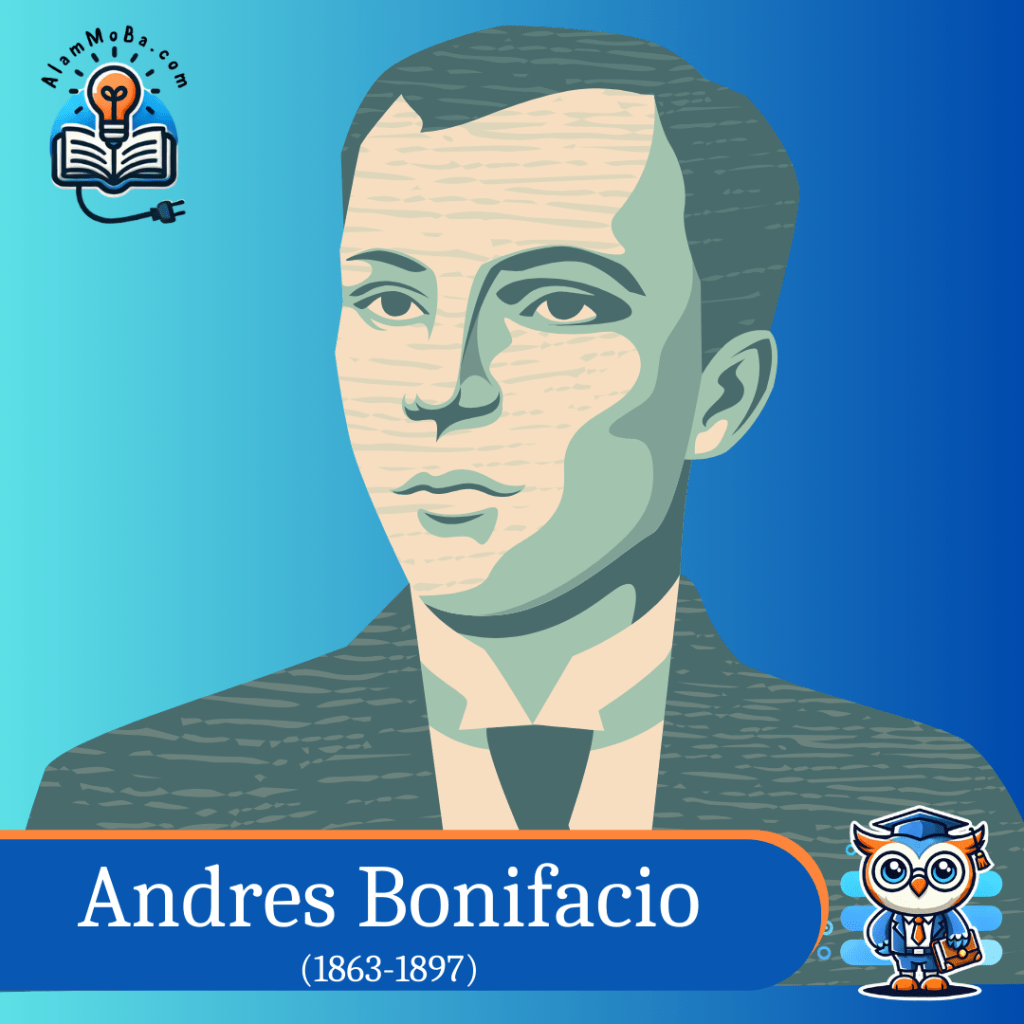
Born on 30 November 1863, Bonifacio lived in poverty in Tondo, Manila. But although he was poor in material possessions, he was rich in passion — and in books. He was motivated by the life of Rizal, the French Revolution, and the cry for independence throughout the world. Bonifacio envisioned a free and independent Filipino nation.
The Katipunan and the Call to Arms
In 1892, following the exile of Jose Rizal, Bonifacio established the Kataas-taasan, Kagalang-galangang Katipunan ng mga Anak ng Bayan (KKK) with others—a secret organization which sought to achieve independence from Spanish rule through armed revolution.
Known as “Supremo,” Bonifacio brought people from different walks of life together in the cause of independence. The Katipunan expanded rapidly, and it became the power force of the revolution.
The Cry of Pugad Lawin
It was August 1896 when the revolution began with the Cry of Pugad Lawin — the time when Bonifacio and other Katipuneros openly burned their cedulas (residence certificates) in rejection of the Spanish regime. Not symbolic at all — it was war.
This moment sparked uprisings across Luzon and brought about the start of a national revolution.
Despite his courageous attempts, Bonifacio’s story was one of betrayal. Power struggles with Emilio Aguinaldo’s faction led to his arrest, mock trial, and eventual execution in Maragondon, Cavite, in May of 1897.
Historians still argue whether the death penalty was served too harshly upon Bonifacio, yet he did clearly provide the basis of the country’s independence.
Why Bonifacio Still Matters Today
Bonifacio was not just a revolutionary — he was proof that leadership is not about blood or titles. He was the typical Filipino who would not hesitate to fight for justice and dignity.
Each November 30, Bonifacio Day is celebrated not only to remember his sacrifice but also to rekindle the fire of nationalism in our hearts.
Visit the Andres Bonifacio Shrine
Want to learn more and pay your respects? Go to the Bonifacio Shrine close to Manila City Hall, where a colossal statue commemorates the Supremo with bolo in hand and heart full of courage.


 pixelmeow
Leave a comment