
The Heart of Old Manila
Amidst the vibrant city of Manila is a place where the pace of life becomes slower — characterized by cobblestone roads, ancient churches, and stone walls that softly speak of a glorious past.
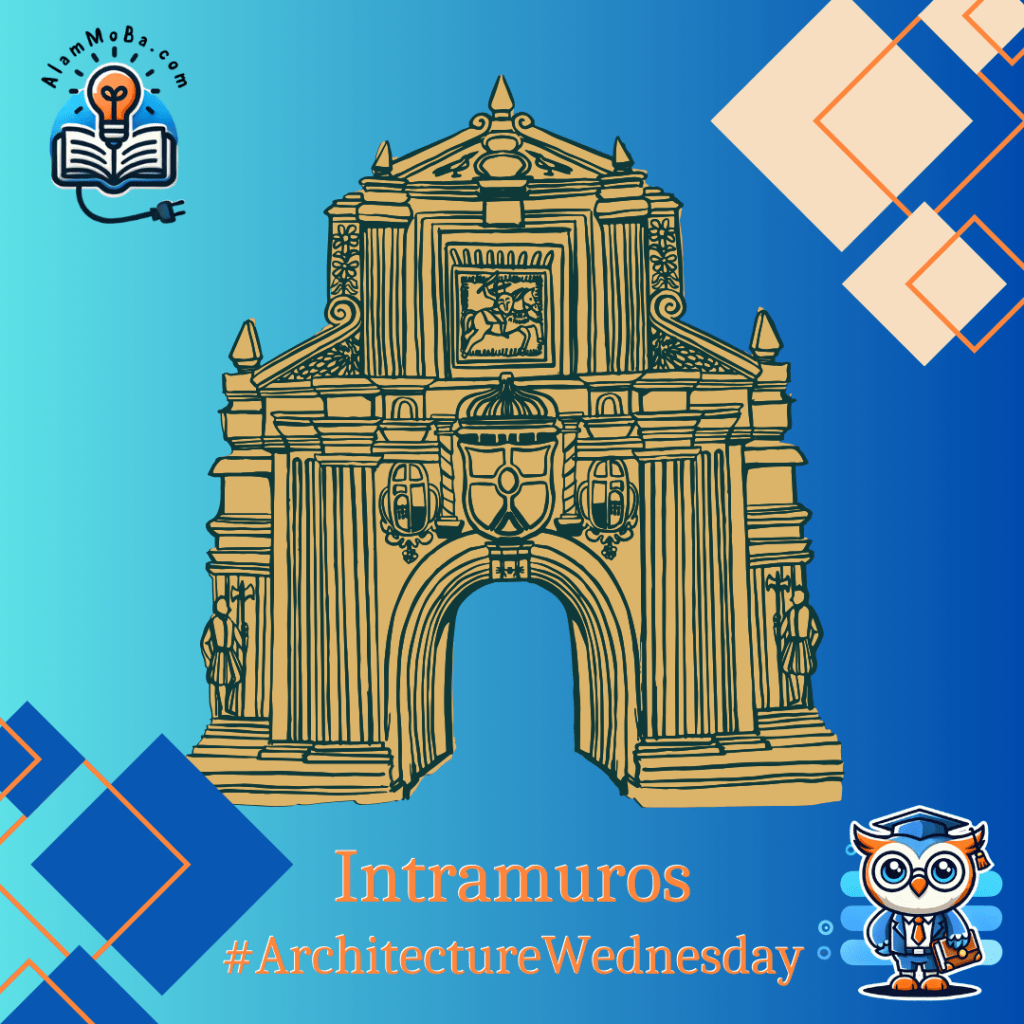
Intramuros, the Walled City.
Constructed in the latter part of the 1500s by Spanish colonizers, Intramuros was the Spanish East Indies’ political, military, and religious capital. The name literally translates to “within the walls,” and for more than 300 years, Intramuros served as the power seat in the Philippines.
What makes Intramuros special?
Despite the wars, earthquakes, and modern advancements, Intramuros is still a vital symbol of Filipino heritage and resilience.
1. Fort Santiago
A former Spanish defense fortress, it also has dark secrets — it was where national hero Jose Rizal spent his final days. Walk through its dungeon and museum to feel the weight of the nation’s troubled past.
2. San Agustin Church
This building is a UNESCO World Heritage Site and the oldest stone church in the Philippines. The intricate interior and peaceful courtyard make it a must-see destination for all travelers.
3. Bamboo Bike Tours
Ride within Intramuros on a bambike (bamboo bike)! This is a fun, green, and educational way to visit historic sites, local heritage, and untapped gems.
4. Murals and Museums
The Intramuros walls are now adorned with vibrant murals, installations, and museums such as Bahay Tsinoy and Casa Manila, which retain the history of the Filipino-Chinese and the colonial period.
Intramuros Today: A Combination of Historical and Modern Facets
Intramuros isn’t stuck in the past — it’s transforming. Now, it has food parks, art exhibits, and even night markets, particularly during holidays and fiestas. Whether you’re a history buff or a Gen Z influencer, there’s something for all here.
Tips for Visiting Intramuros:
Where: Manila, close to Manila Cathedral and Pasig River
Ideal Time to Visit: Late afternoon for golden hour photography and reduced temperatures
What to Wear: Comfortable shoes and clothing — lots of walking!
How to Get to Intramuros
By Commute:
- From LRT-1, get off at Central Terminal Station, then take a short walk or pedicab.
- From MRT, transfer to LRT-1 via EDSA-Taft station.
- Jeepneys and UV Express bound for Lawton or Manila City Hall can drop you nearby.
By Car:
There are parking spaces around Fort Santiago and Plaza Roma, but they fill up fast on weekends.
☕ Nearby Cafés to Check Out
After walking through history, relax and grab a bite at these charming spots:
- Ilustrado Restaurant – Classic Filipino-Spanish cuisine in a heritage setting.
- Barbara’s Heritage Restaurant – Dine in a colonial mansion, with cultural shows at night.
- La Cathedral Café – Rooftop café with stunning views of the Manila Cathedral.
- Batala Bar – Artsy and local, with coffee, craft beers, and Intramuros-made products.
👣 Explore with Local Guides
Want a deeper dive into the stories behind the walls? Try these guided options:
- Bambike Ecotours – Explore on sustainable bamboo bikes with fun, insightful guides.
- Old Manila Walks – Award-winning walking tours that dig into the juicy, gritty, and glorious parts of Manila’s past.
Photography Spots: Plaza San Luis, entrance gates of Fort Santiago, and the fortifications at sunset.
In a world that moves so quickly, Intramuros keeps us grounded on who we are and where we are coming from. It’s not merely a destination for tourists — it’s a living, breathing page of our country’s soul. Walking through its streets is an encounter with histories. Standing underneath its arches is a reminder of the foundational nature of our selves. So, on your next trip to Manila, do not just pass by. Interact with the world inside the walls. Listen to the sounds. Learn. And rekindle your love for the Philippines, brick by brick.



 pixelmeow
Leave a comment